When the Sky (Isn't Really) Falling: The Cultural Ripple of Chicken Little's Aliens
Remember the feeling when the sky started to "fall" in Disney's Chicken Little? For many, that initial panic quickly shifted to a heartwarming, albeit hilarious, twist involving a lost alien child and benevolent visitors. Far from the typical monstrous invaders of sci-fi lore, the aliens in Chicken Little offered a fresh, often overlooked, perspective on extraterrestrial encounters. Their unique portrayal left a distinct cultural footprint, not necessarily through blockbuster merchandise, but by subtly influencing how we perceive alien narratives and, crucially, offering ripe ground for parodies that play on misunderstanding and misplaced fear.
At a Glance: The Unconventional Impact of Chicken Little's Aliens
- Subverted Tropes: They flipped the classic alien invasion narrative from threat to misadventure.
- Thematic Resonance: Reinforced the film's core message about panic, judgment, and looking beyond appearances.
- Kid-Friendly Aliens: Introduced a generation to friendly, albeit initially scary, extraterrestrial life.
- Niche Parodies: Their impact on parody isn't about direct spoofs, but rather references to their benign nature or the "sky is falling" panic they initially caused.
- Lasting Legacy: A quiet reminder that things aren't always what they seem, especially when dealing with the unknown.
The Unexpected Visitors: Recapping the Chicken Little Alien Reveal
When Chicken Little first declared the sky was falling, few could have predicted the actual culprit. It wasn't an acorn, nor was it the impending apocalypse. Instead, it was a hexagonal panel from a cloaked spaceship, inadvertently dropped by a small, three-eyed alien named Kirby. This wasn't a precursor to a grand, destructive invasion, but rather a frantic search for a lost child.
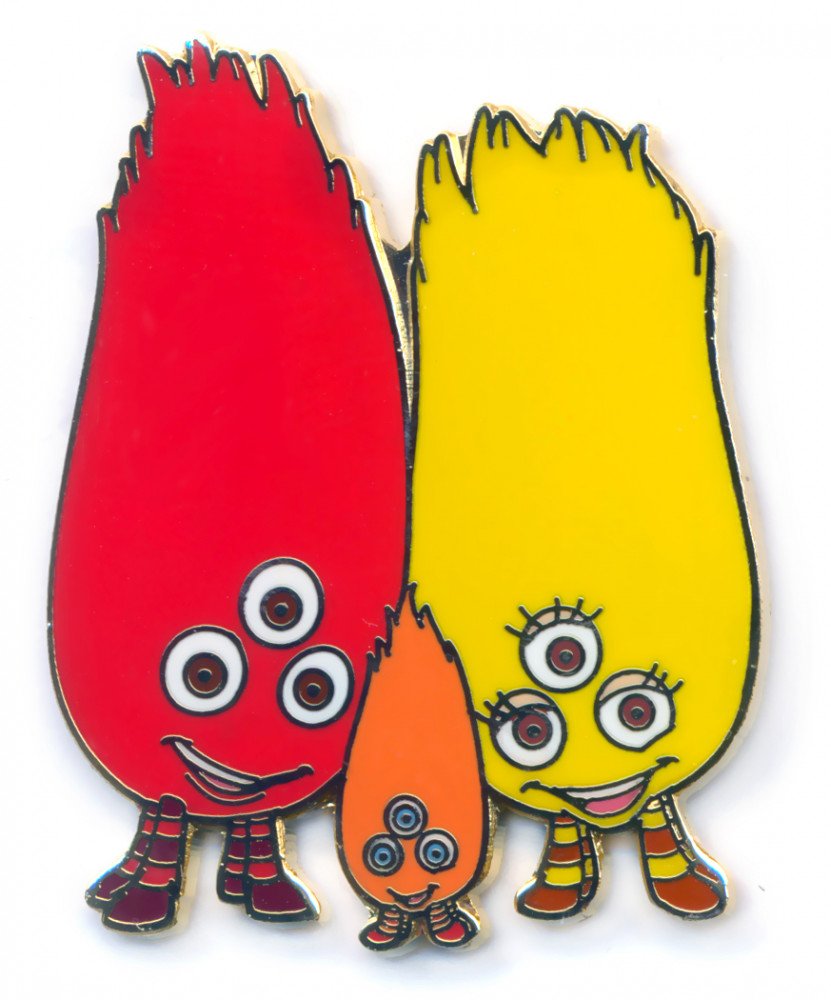
The aliens, known as the "Oakey Oaks" species (named ironically after the town they accidentally terrorize), are advanced beings with iridescent skin, three large eyes, and the ability to project energy shields. They communicate through a series of clicks and whistles, which, coupled with their initial appearance, easily led the fearful townspeople to believe the worst. Their vessels—sleek, cloaked ships—were capable of massive environmental alteration, creating force fields and even sucking up entire buildings.
But here’s the kicker: these formidable abilities were only used in a desperate attempt to find Kirby. The father, Melvin, and mother, Tina, were simply worried parents looking for their son. The real "threat" came from the town's mass hysteria, fueled by Chicken Little’s past reputation and a general human tendency to jump to terrifying conclusions. This immediate subversion of the traditional alien invasion narrative is the bedrock of their cultural significance. If you're curious to Learn more about Chicken Little Alien themselves, their biology, and their technology, the details are quite fascinating.
Why These Aliens? Subverting Invasion Tropes
Most alien invasion stories, from H.G. Wells' War of the Worlds to modern blockbusters, cast extraterrestrials as inherently hostile. They come to conquer, destroy, or harvest our resources. Chicken Little, released in 2005, arrived during a period still heavily influenced by post-9/11 anxieties and a general cultural fascination with existential threats. Yet, it chose a different path entirely.
Instead of menacing creatures with ill intent, we got a family. A worried dad, a stern but loving mom, and a clumsy kid who just wanted to play catch. This shift profoundly impacts how we, as an audience, perceive not just the Chicken Little aliens, but potentially any alien encounter narrative.
- From Malicious to Misunderstood: The Oakey Oaks aliens challenge the default assumption of alien malevolence. Their actions, though terrifying to the town, were born of parental love and desperation. This forces viewers, especially younger ones, to reconsider their initial judgments. It's a powerful lesson in empathy and perspective, packaged within a fun, animated film.
- The Power of Narrative Flip: By setting up an expectation of invasion and then dramatically reversing it, the film cleverly parodies countless sci-fi predecessors. It asks: what if the "invasion" is just a colossal misunderstanding? This narrative flip itself becomes a point of reference for other stories wishing to deconstruct alien tropes.
The "Sky Is Falling" Reimagined: Parodying Panic and Misunderstanding
The core narrative of Chicken Little itself is a parody of a classic fable: a small creature's alarm leads to widespread panic. The aliens serve as the ultimate vehicle for this theme. Their arrival elevates the stakes beyond a simple acorn, escalating the panic to a town-wide, then potentially world-wide, level of hysteria.
The way the town reacts—quickly turning on Chicken Little, forming angry mobs, and believing sensationalist reports—is a pointed satire of how societies can succumb to fear-mongering and lack of critical thinking. The aliens, through no fault of their own, become the symbol of this unchecked panic.
In popular culture, this aspect of the film, rather than the specific alien designs, often finds its way into parodies. You'll see:
- Exaggerated Panic: Media often references "the sky is falling" to depict overreactions to minor events.
- Misinterpretation of "Threats": Jokes about mistaking benign foreign objects or beings for dangerous invaders.
- The Absurdity of Mass Hysteria: The film’s portrayal of the town’s quick descent into chaos is a comedic blueprint for depicting similar situations.
This isn't about making fun of the aliens themselves, but about using the context of their arrival to highlight the absurdity of human responses to the unknown.
Limited But Specific: Where the Chicken Little Aliens Left Their Mark
Unlike titans of alien cinema such as E.T. or the Xenomorph from Alien, the Chicken Little aliens didn't spawn a massive franchise or become instantly recognizable icons globally. Their impact is more subtle, thematic, and often appreciated by those who fondly remember the film.
- As a Metaphor for Misjudgment: Their most enduring legacy might be as a subtle metaphor. When discussions turn to how quickly people judge others based on appearance or limited information, the story of the Oakey Oaks family can serve as a child-friendly, accessible example. They are the ultimate "don't judge a book by its cover" extraterrestrials.
- Kids' First Alien Encounter (The Friendly Kind): For a generation of children, these aliens might have been their first introduction to beings from another world. Crucially, they offered a non-threatening, even relatable, depiction. This contrasts sharply with the frequently violent or terrifying aliens often found in adult media, providing a gentle entry point into the vastness of the cosmos without the nightmare fuel.
- Merchandise & Media (Ephemeral Impact): At the time of the film's release, the aliens did appear in some merchandise—toys, video games, and promotional materials. These tie-ins helped solidify their presence in the immediate cultural landscape for young fans. However, this impact was largely tied to the film's initial run rather than creating a lasting, independent presence. Think of them as fondly remembered characters within their specific story, rather than widely referenced figures.
Parodying the Parody: How Pop Culture Responded
Given that Chicken Little itself is a meta-commentary and a gentle parody of alien invasion tropes, how do you parody something that's already playing with expectations? The answer often lies in referencing the meta aspects or pulling specific, memorable elements out of context.
- Gentle Nods, Not Grand Satires: You won't find many direct, biting satires of Kirby and his parents. Their benign nature makes them difficult targets for harsh mockery. Instead, pop culture tends to offer gentle nods:
- The "Lost Child" Trope: The story of Kirby being inadvertently left behind, triggering a large-scale retrieval mission, is a comedic take on familiar narratives like E.T. or even parental panic when a child wanders off in a store. Parodies might involve similarly over-the-top reactions to mundane lost items, framing them as intergalactic crises.
- Subversion of Expectations: Creators might use an alien design similar to the Oakey Oaks (e.g., three eyes, small stature) only to reveal them as harmless, clumsy, or even friendly, playing on the Chicken Little twist.
- Visual Gags: The iconic sight of Kirby's ship panel landing on Chicken Little's head is a visual punchline that can be repurposed. Imagine a similar object (a drone, a satellite dish, an oddly shaped piece of space junk) falling onto another unsuspecting character, initiating a disproportionate panic.
- The Sound and Fury: The sheer panic in Oakey Oaks, and its quick resolution, provides comedic fodder. Shows might feature characters overreacting to minor events, using terms like "It's an alien invasion!" only for the "invader" to be something utterly harmless, mirroring the film's central joke. The rapid swing from terror to adoration for the aliens at the end of the movie is a particularly ripe area for comedic exaggeration in parodies.
Behind the Scenes: Crafting the Alien Look and Feel
The design of the Chicken Little aliens plays a crucial role in their cultural impression. Their visual distinctiveness, combined with their unexpected behavior, cements their unique place in animated alien history.
- The Three Eyes: A common trope for aliens, but here, the large, expressive three eyes of Kirby and his parents convey a range of emotions—from fear to love to frustration—making them relatable despite their non-human appearance. The glowing quality of their eyes also signifies their technological prowess and distinct biology.
- Iridescent Skin and Compact Form: Their smooth, almost fluid forms and shimmering skin suggest an advanced, non-organic biology, setting them apart from the more humanoid or insectoid aliens often seen. Kirby, in particular, is small and child-like, designed to elicit immediate empathy rather than fear.
- Advanced but Misguided Technology: The cloaked ships, energy shields, and tractor beams all speak to high technology. Yet, the aliens' use of this technology—accidentally causing chaos while looking for a kid—is where the humor and the film's message truly shine. It's a testament to how even advanced beings can be prone to human-like problems and miscommunication.
These design choices were deliberate, aiming to create aliens that could initially appear menacing but quickly pivot to being endearing. This visual language is subtly integrated into how parodies might hint at Chicken Little without explicit mention, using similar visual cues to signal a "friendly alien" twist.
Beyond the Screen: Educational Value and Lessons Learned
While primarily a family comedy, the narrative surrounding the Chicken Little aliens carries significant educational weight, especially for its target audience.
- Judging Others: The most prominent lesson is about the dangers of prejudice and judging based on appearances or hearsay. The Oakey Oaks aliens look different, act in ways humans don't understand, and are immediately labeled "invaders." The film forces viewers to confront this bias head-on as the truth unfolds.
- Fear of the Unknown: The film explores how fear of the unknown can lead to irrational behavior and mass panic. The aliens represent this "unknown," and their eventual integration into the community (even attending school with Kirby) provides a reassuring resolution.
- Communication is Key: A core theme is the breakdown and eventual triumph of communication. The language barrier between humans and aliens fuels the initial misunderstanding. It's only when Chicken Little and his friends genuinely attempt to understand the aliens' motives that the truth comes out, highlighting the importance of open communication in conflict resolution.
These lessons are not just for children. They resonate broadly, offering a gentle reminder to adults about critical thinking and empathy in an increasingly complex world.
Common Misconceptions About Chicken Little's Aliens
Despite their unique role, some misunderstandings about the Chicken Little aliens persist. Clearing these up helps appreciate their distinct cultural contribution.
- "They were evil invaders." This is the biggest misconception. The entire premise of the alien plot is to subvert this. They were never evil; they were panicked parents looking for their lost child. Their actions, though destructive, were unintentional consequences of their desperate search.
- "The movie was just a standard alien invasion story." Again, incorrect. It begins like one, but quickly twists into a story about misunderstanding, parental love, and overcoming fear. The "invasion" is merely a plot device to explore the town's reaction and Chicken Little's journey.
- "They were a major pop culture phenomenon." While beloved by fans of the film, the Chicken Little aliens haven't achieved the same widespread iconic status as other famous movie aliens. Their impact is more nuanced, tied to the film's themes and its specific subversion of tropes, rather than generating a standalone alien mythos. They are more likely to be referenced thematically ("don't assume the worst") than directly (cosplay or widespread merchandise).
The Enduring Whisper: What These Aliens Mean Today
The cultural impact and parodies of Chicken Little's aliens might not be a roaring thunderclap, but rather a persistent, gentle whisper in the background of pop culture. They represent a significant turning point in family-friendly alien narratives, demonstrating that "different" doesn't automatically mean "dangerous."
For creators, their story is a blueprint for subverting well-worn tropes and finding humor and heart in unexpected places. For audiences, they offer a charming, often funny, reminder that panic often blinds us to the truth, and that sometimes, the biggest monsters are the ones we create in our own minds. So, the next time you hear a cry of "The sky is falling!", remember Kirby and his family. You might just be witnessing another hilarious, heartwarming misunderstanding.