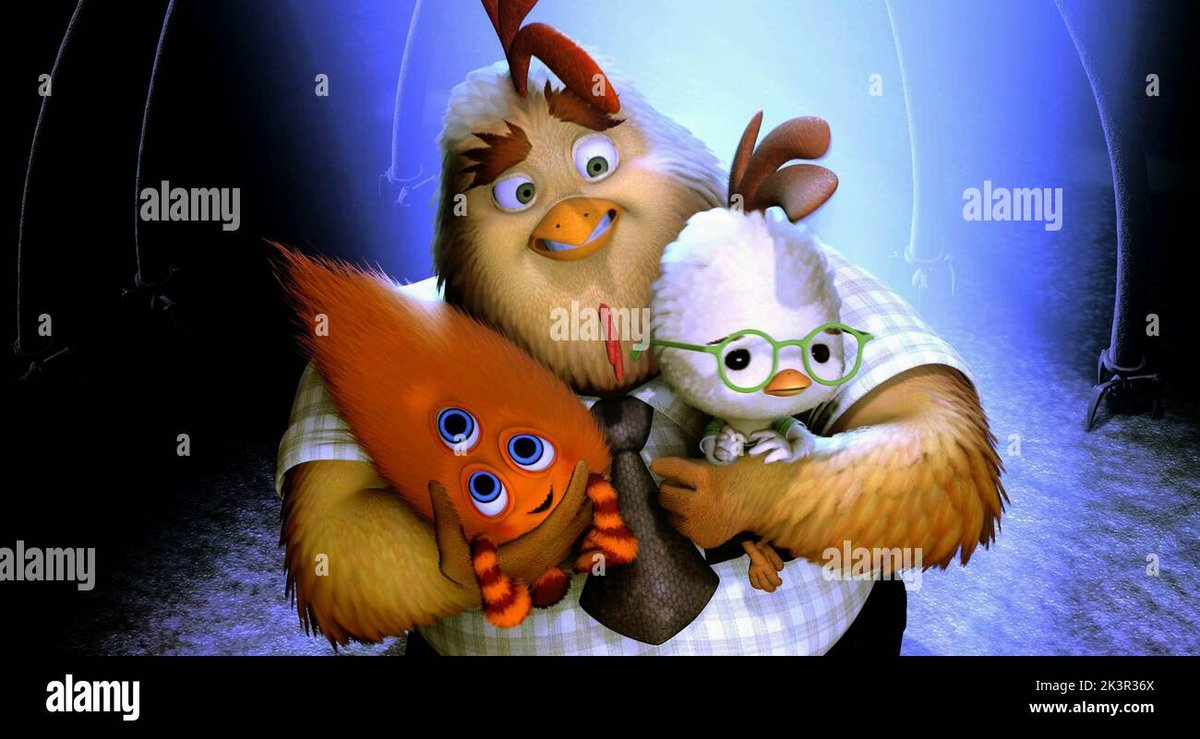
Disney's Chicken Little delivered an unexpected twist to its classic "sky is falling" premise: the culprit wasn't an acorn, but an actual alien presence! This beloved animated film introduced audiences to a surprisingly sophisticated narrative about misunderstanding, panic, and the true nature of extraterrestrial encounters. Far from being a simple children's tale, Chicken Little cleverly explored themes of fear of the unknown, community reaction, and the possibility of peace even in the face of perceived invasion.
Our super pillar hub delves deep into every facet of these memorable visitors, from their lore within the Disney universe to their impact on broader sci-fi storytelling. Prepare to re-examine what you thought you knew about Chicken Little's intergalactic adventure.
The Unexpected Visitors from Beyond: Unmasking the Morks
The heart of Chicken Little's alien plot lies with the Morks – a seemingly advanced yet ultimately benevolent alien family from outer space. Their arrival, triggered by a lost child and a misplaced piece of cloaking technology, initially ignites widespread panic in Oakey Oaks. These aliens, with their distinctive appearance and advanced technology, quickly become the focus of a town-wide frenzy, despite their true intentions being entirely innocent.
To fully appreciate the layers of their story, including their home planet, technology, and family dynamics, you'll want to Dive into Chicken Little Alien Lore. This pillar explores the rich, albeit subtly presented, background of these extraterrestrial characters and their role in the film's climax.
When the Sky (Literally) Appears to Be Falling: The Alarmist Alien Trope
Chicken Little's initial cry that the sky is falling, even before the aliens are fully revealed, sets the stage for a classic sci-fi trope: the alarmist alien narrative. In this scenario, extraterrestrial contact is immediately met with fear, misinterpretation, and often, an over-the-top reaction from humanity. The film brilliantly uses this trope to comedic effect, while also highlighting the underlying anxieties many cultures harbor about encounters with the unknown.
The way society in Chicken Little reacts to the perceived alien threat is a perfect example of this narrative device. For a broader perspective on how this theme plays out across various fictional universes, we recommend exploring The Alarmist Alien Trope in. This analysis investigates how films, books, and TV shows often leverage collective anxieties about the unknown, crafting stories where panic overshadows reason.
The Human Element: Understanding Fear and Panic in Alien Narratives
Beyond the Morks themselves, Chicken Little offers a fascinating case study in human psychology. Chicken Little's own insecurities, coupled with the town's propensity for quick judgment, fuel the escalating panic surrounding the alien "invasion." The film vividly portrays how easily fear can spread through a community, turning minor misunderstandings into full-blown crises. It's a powerful reminder that our reactions to the unknown often tell us more about ourselves than about the 'other.'
Unpacking the emotional core of these stories can provide valuable insights into our own fears and how we process them. To delve deeper into what drives these widespread reactions and how they shape the narrative, take some time to Understand alien fear and panic. This pillar examines the psychological underpinnings of why alien encounters so often trigger fight-or-flight responses, even when there's no real threat.
Beyond Oakey Oaks: Comparative Studies of "Sky is Falling" Encounters
Chicken Little might be a Disney animation, but its core narrative shares DNA with many other science fiction stories that explore the theme of humanity's reaction to first contact, particularly when that contact is misunderstood. From classic invasion tales to more nuanced explorations of interspecies communication, the idea of an external force disrupting our world often mirrors the "sky is falling" panic. The film's resolution, where understanding replaces fear, also offers a hopeful counterpoint to darker narratives.
If you're interested in seeing how Chicken Little's story fits into the larger tapestry of alien encounter fiction, you'll find immense value in a Comparative Study of Sky is. This pillar draws parallels and contrasts between Chicken Little and other works, examining how different creators approach the universal theme of humanity grappling with the arrival of extraterrestrial life.
Unraveling the Mysteries: Fan Theories and Lingering Questions
Despite its clear resolution, Chicken Little's alien subplot still sparks discussion among fans. Questions about the Morks' broader civilization, the full capabilities of their technology, or even subtle hints missed during initial viewings often lead to fascinating fan theories. Did the movie leave any breadcrumbs for future stories? What might have happened if Chicken Little hadn't found Kirby's missing piece of ship? These open-ended elements contribute to the film's enduring charm and rewatchability.
For those who love to ponder the deeper implications and hidden depths of their favorite stories, there's a treasure trove of discussion waiting. Be sure to Explore Alarmist Alien Theories Dive into the speculative side of Chicken Little and other similar narratives. This pillar explores the rich landscape of fan interpretations and the unresolved curiosities that keep these stories alive long after the credits roll.
Ultimately, the "chicken little alien" saga reminds us that the biggest threats often come not from the unknown, but from our own preconceptions and fears. By embracing understanding and open-mindedness, even the most alarming alien encounters can lead to unexpected friendships and a broader perspective on our place in the universe.